
ConnecTree
Structured reading, completed — forest reading that structures the story and tree reading that misses no detail, at the same time
Overview
PangramOn’s structured reading acquisition is realized through the ConnecTree program. ConnecTree aims to help a child remember the story of one book, reconstruct its whole content, and retell it from what was remembered. Along with literacy, this develops cognitive abilities — comprehension, memory and logical structuring — together.
Strategic Reading and Memory
- Two goals: Story Structure & Every Detail. Before reading, the child infers the content from the blurb and chapter titles, organizes the elements of the story around character, setting, problem and solution, and completes a story map of exposition, conflict, climax and resolution (Zoom Out). On each chapter’s visual timeline she writes the key events and answers questions about why characters act and what follows (Zoom In). She completes the story by filling in keywords, writes a keyword on every picture to make her own cue cards, and at the end narrates what happened chapter by chapter in writing.
- OneBite 600 is the base for FluenTree, and FluenTree for ConnecTree. In ConnecTree too, structuring is done on top of recitation. Reciting a whole chapter book is not easy, but children are encouraged to try — and recitation at least to the point where dictation is no trouble is required. Cognitive strategies: Organization · Association · Elaborating · Mapping · Advance organizer · Separation & Connection · Visual technique.
Chapter books read as forest (structure) and trees (detail) at once. 5 Stages to Memorization.
Skills & goals
Cognitive abilities trained
Structuring
Understand and remember the overall flow and details in a structured way
Comprehension Monitoring
Reconstruct and retell the entire story
Long-Term Memory
Reconstruct and write the entire story
Learning goals
Reading competence that understands the big picture of any storybook structurally and remembers the important details for a long time
Organize what was understood and explain and narrate it with evidence — the foundation of CALP
Finally — automaticity in reading books: the competence to see forest and trees at once
Lessons
5 Stages to Memorization — a 20-lesson strategy
1st Big Picture Analyze — whole story (Lesson 1)
2nd Big Picture Analyze — half / half (Lessons 2 · 10)
3rd Details Analyze — individual chapters (Lessons 3–8 · 11–16)
4th Big Picture Review — half / half (Lessons 9 · 17)
5th Big Picture Review — whole story (Lessons 18–20, Day 20 poster activity)
Two-Track Comprehension
1. Big Picture — Book Blurb & Chapter Title · Story Map · Key Sentence Speaking · Elements of the Story · Key Events & Visual Timeline · Extensive Comprehension. 2. Details — Intensive · Exhaustive Comprehension · Keyword Recall · Image Writing · Speak in Time · Chapter Writing · Chapter Speaking.
Materials
Storybooks 1–12 (The Solvers · The Rooster Slept In · The Piglet Triplets · Wookie the Wizard 1–3 · Wonderland 1–3 and more) · workbooks 1–12
144 online teaching materials · 360 online components · 240 e-books
12 Key Word Memory Boards · 12 Image Only Memory Boards
Teaching & Learning Guide — 5 Stages to Memorization
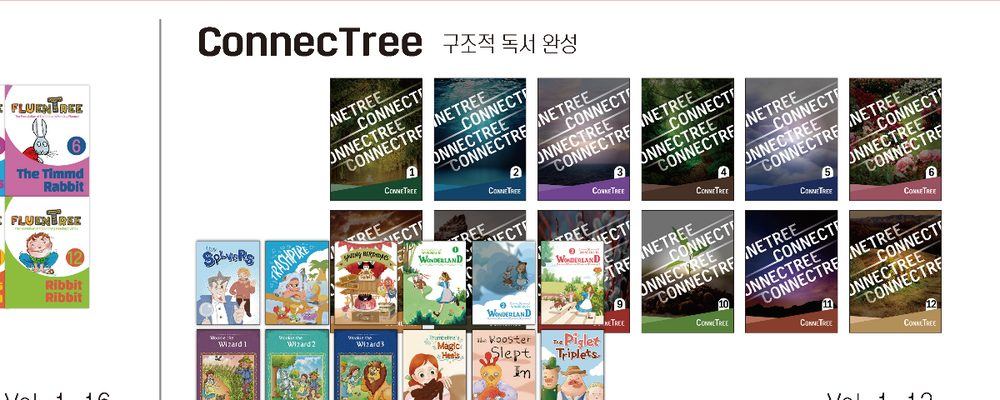
Tier 3 Months 1–12, one chapter book a month; a link test (★) for every volume.
Every learning journey starts with a conversation
Contact us to learn about the curriculum and a campus near you.