
About PangramOn
Inside the process of learning English, we grow the ability to learn it
PangramOn’s curriculum starts from one premise: the outcome of language education is not decided by how much a child has been taught, but by how far the ability to acquire language has developed.
Our identity
Pangram + ON
PangramOn? Pangram’s existing gifted-English curriculum, with a learner internalization process through e-learning added — Pangram strengthened with online programs — is what we call PangramOn.
Insight into reading
It begins with the insight that a sound is a sequence of phonemes and grows into structural insight — rebuilding one book as big questions and branches.
Reading comprehension
Comprehension is decoding multiplied by language understanding. If either is zero, there is none. So phonics and vocabulary, recitation and structuring are bound into one system.
Grasping the essence of a text
The power to see deeply into the nature of an event or phenomenon and to combine cases into new ideas — where IRP’s Depth & Complexity leads.
- PangramOn is a gifted-English academy for elementary students.
- Two things are joined into one. The first is next-generation elementary English: classroom teaching and coaching with online perfecting added, on- and offline. The second is an elementary international-school curriculum: PYP Basic, Level 1 and Level 2, designed with reference to the IB PYP’s theme-based inquiry, and Level 3·4, IRP and SS101 after them.
- A child perceives sounds and expressions precisely and reproduces them, discovers the relations and meanings inside them, and applies what she found to new language situations. We call this thinking ability — perceiving, imitating, inferring, applying — ‘intelligence’, and the power to complete real learning tasks with it ‘competence’. Both are curricular terms defined by this program, not the general intelligence measured by psychometric tests.
Our approach
Elementary is when a child takes away ‘how to read’
Before celebrating that your child has started reading English books — turning letters into sounds is not the end of phonics but the beginning. The English sound system has to be inside the child first; the sounds she decodes must land on words she knows to become meaning; and decoding must become automatic so that energy is left for thinking.
LEARNING&CO analysis — average difficulty of English textbooks and exams by school year (converted to U.S. grade levels). The jumps come at Grade 6→middle school, middle→high school and before the mock exams. A design reference, not a guarantee of outcomes.
- Phonics is the subject whose results show fastest, and that is its trap. Reading words within weeks does not mean the English sound system has arrived, and the difference surfaces years later at the thresholds of listening, speaking and reading long texts. That is why PangramOn’s Tier 1 binds phonics, vocabulary and reading preparation into one system.
- In upper-elementary texts, sentence structure and cognitive demand become difficult before vocabulary does. Reading a single sentence that braids a concessive clause with a participial phrase, within the limits of working memory, takes the power to turn a sentence into a structure in the mind — to assemble scene, order and relation. That is where PangramOn’s structuring training and its thinking subjects aim.
- So what we want a child to take away from elementary school is not a list of words read, but how to read: how to listen to a sound, how to solve the unknown with the known, how to ask why at the place she got it wrong, and how to ask of every new symbol, ‘what is the rule here?’
At some point, school English stops being about reading and starts being about thinking
Early-elementary English and middle- and high-school English ask for different kinds of strength. There is a threshold no vocabulary count gets a child over; it is crossed with the cognitive ability to read a text as a structure and reason about the relations inside it.
LEARNING&CO analysis — average difficulty of English textbooks and exams by school year (converted to U.S. grade levels). The curve jumps between Grade 6 and the first year of middle school, between middle and high school, and before the mock and college entrance exams. A design reference, not a guarantee of outcomes.
Reading as structure
One book summarized into 20 questions, rebuilt as a structure map, then told in full with the book closed. The structuring that PYP and ConnecTree train lets a child see the core and the relations first, whatever the text.
Discovering, not memorizing
On the first day of phonics a child joins three sounds, a·s·t, into ‘sat’ by herself. In a classroom where the teacher does not read first, children discover the principle — and in front of a new word, they look at the letters instead of the teacher’s face.
Making it their own
Learn it in teaching, apply it in coaching, retrieve it in 10–15 minutes of daily perfecting. Review here is not looking again; it is recalling from a cue.
- Language research distinguishes everyday conversational fluency (BICS) from the academic language needed for school learning (CALP). Academic language is the ability to understand and express concepts and ideas in speech and writing, and it grows on top of the cognitive ability to classify, compare and connect — to read as a structure. PangramOn’s 38 months grow that ability inside English.
- That is why we call it ‘English + intelligence + competence’. Here, intelligence is a curricular term for the thinking abilities of perceiving and reproducing sounds and expressions precisely, discovering the relations and meanings inside them, and applying what was discovered to new situations. It is not the general intelligence measured by psychometric tests, and PangramOn does not claim to raise intelligence itself. We build habits and strength of thinking.
Learning&Co
WE DESIGN TEACHING
PangramOn is run by the company that writes its own textbooks. Since 2002, LEARNING&CO has published more than 1,000 educational titles and developed more than 30,000 online teaching courses. PangramOn’s 134 books and every lesson plan were designed by head-office R&D.
Institution brands
ALTIORA
— early-years creative integrated English
INGENIO
— gifted-English afternoon kindergarten program
CREA HAUS 703
— early-years gifted S.T.E.A.M.
PANGRAMON
— elementary English academy
YONDER International
— elementary international division
Content brands (selected)
SoundTree CORE
insight phonics
OneBite
right-brain vocabulary
FluenTree
right-brain reading
CONNECTREE
gifted reading
PYP
international-school projects
Vocapedia
vocabulary thinking
Listening Wise
speaking grammar

HABITUS
English literacy
IRP
reading & discussion

SS101
generative writing
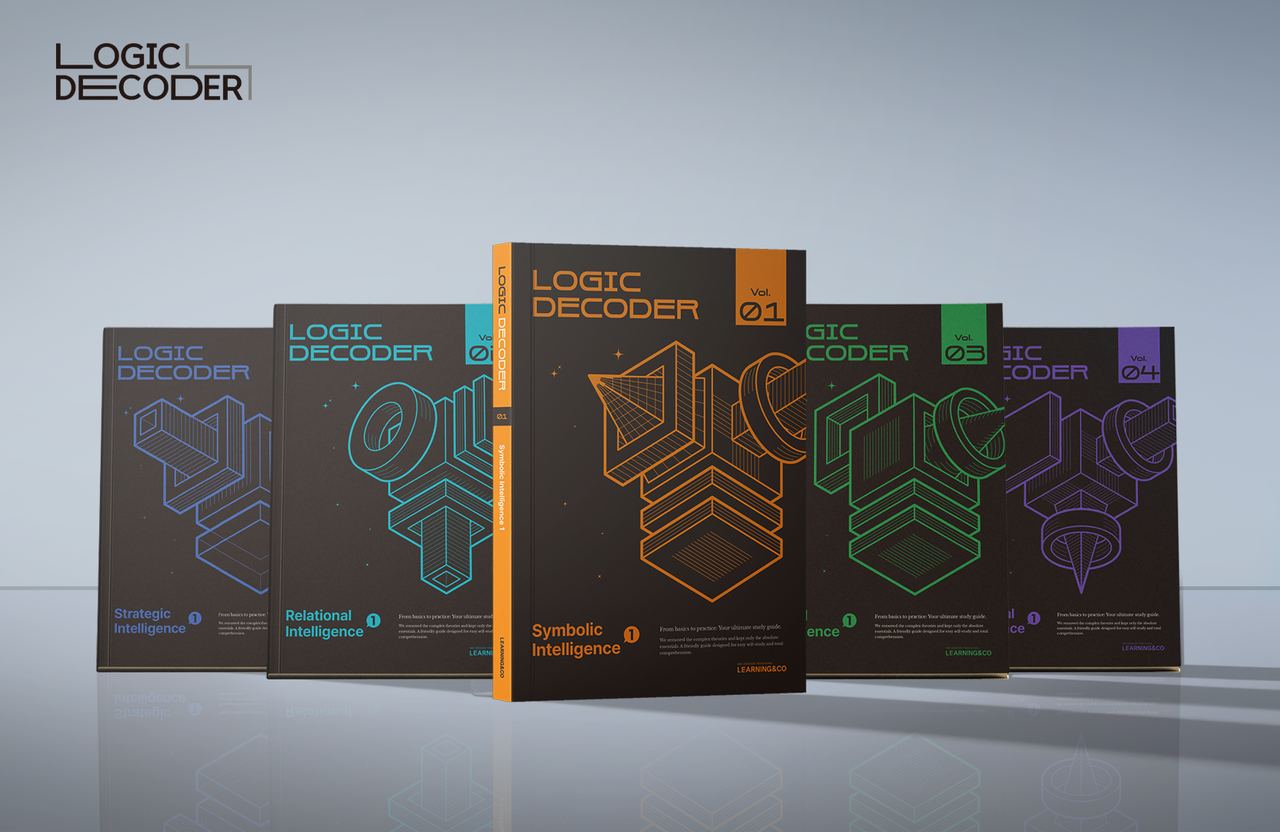
Logic Decoder
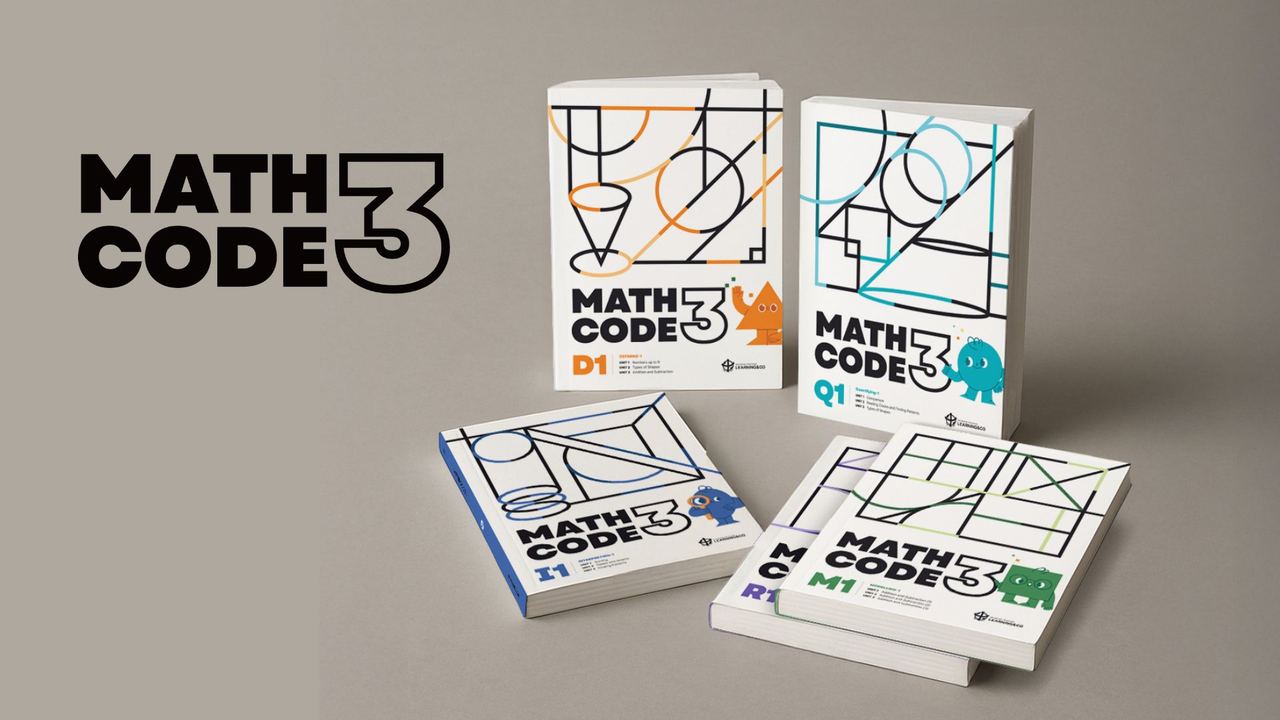
MATH CODE 3
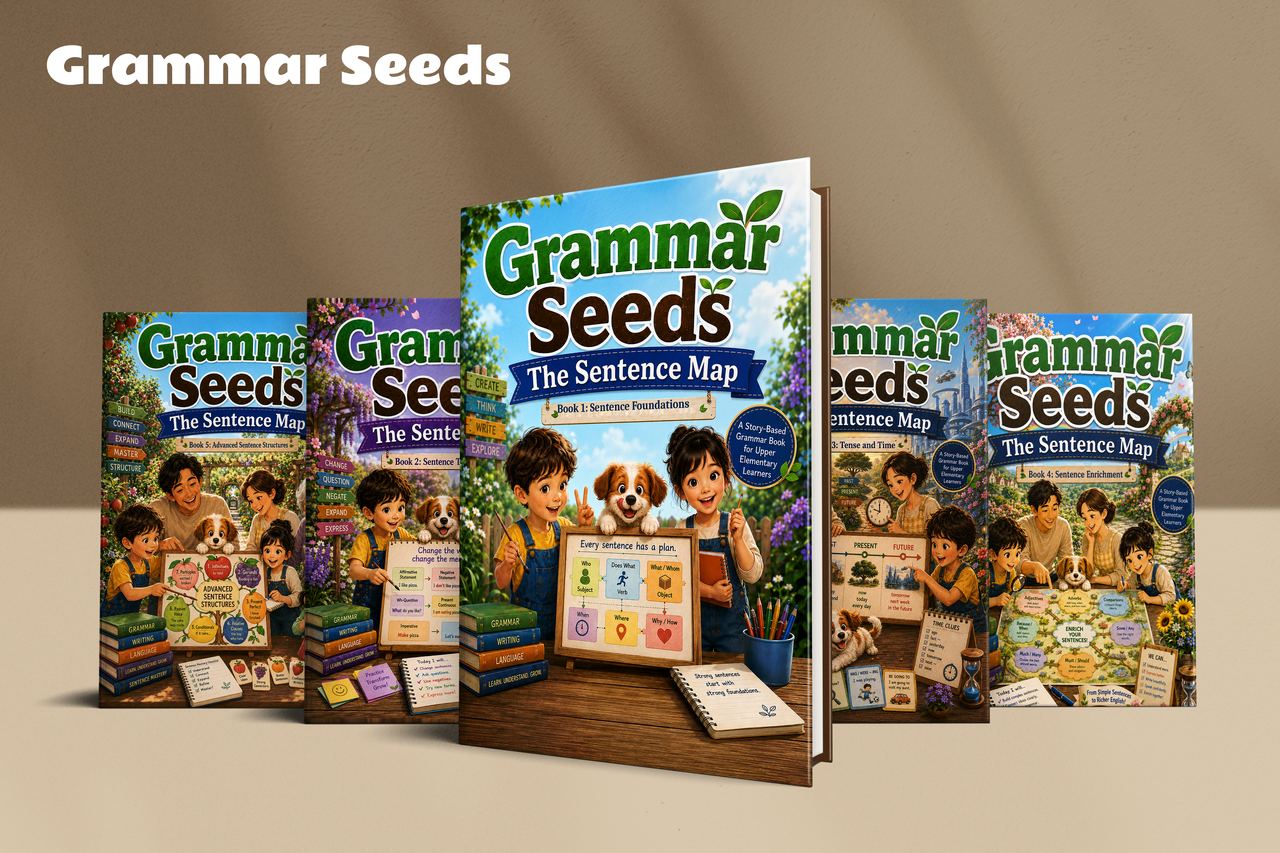
Grammar Seeds
intellego LIVE
online English library
Made in-house
134 textbooks, 57 phonics readers, storybooks and workbooks
Yearly, monthly and daily lesson plans and teacher’s guides (800 teaching lessons)
LINK coaching materials and link tests (544 coaching lessons)
MyGrow perfecting courses and e-books (1,600 perfecting courses · 4,676 e-learning courses)
OKR posters, memory boards and the Monthly Progress Report
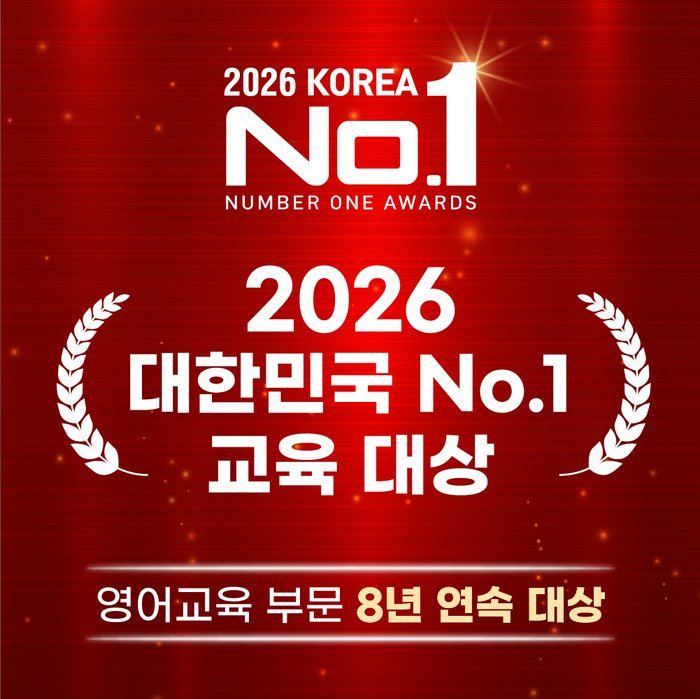
Awarded jointly to ALTIORA · Pangram
Ai accreditation under NCPSA (July 2025)

The educational programs developed by LEARNING&CO passed every review and the on-site visit for Ai accreditation under NCPSA, the U.S. council of private-school associations that certifies international educational quality, and received final accreditation.
PangramOn is the elementary academy brand of LEARNING&CO (WE DESIGN TEACHING), which has developed textbooks and teaching materials since 2002. From ALTIORA’s early-years English to PangramOn for elementary and YONDER International for the elementary international division — one path, designed by one company.
LEARNING&CO founded — the beginning of textbook and teaching-material development
Pangram’s gifted-English curriculum gains an e-learning internalization process: PangramOn is launched
“Pangram Tier 1·2·3 Curriculum Overview” published — English + intelligence + competence
Creative, integrated English
PangramOn
Gifted-English academy
IRP · PYP 3·4 · SS101
Our journey
One path, designed by one company
- 2002
LEARNING&CO founded; textbook and online teaching-material development begins
Pangram’s gifted-English curriculum → PangramOn, with an e-learning internalization process
Korea’s No.1 Education Award, 8 consecutive years (ALTIORA · Pangram)
- 2025.7
LEARNING&CO programs accredited by Ai under NCPSA
- 2026.10
“Pangram Tier 1·2·3 Curriculum Overview” — English + intelligence + competence
From early years to the elementary international division
A child coming up from ALTIORA and a child starting at PangramOn learn the same curriculum. A child who completes Tier 3 is prepared to approach any later academic task and any book more deeply, with the intelligence and competence built in Tiers 1·2·3.
ALTIORA
Early years
Creative, integrated English. The thinking strength built in the early years continues as English literacy in elementary school.
PANGRAMON
Elementary
Gifted-English academy. Tiers 1·2·3, 38 months.
YONDER International
Elementary international
IRP · PYP Level 3·4 · SS101 — academic language after Tier 3.
OneBite
Content
Right-brain vocabulary and speaking. The e-learning of PangramOn Tier 1.
Every learning journey starts with a conversation
Contact us to learn about the curriculum and a campus near you.