
Overview
There is not a single picture in this textbook. Given a picture first, a child answers by looking. Without one, she answers by reading, imagining and assembling. This inner visualization — reading a sentence and drawing scene, order and relation in the mind — is the common foundation of reading comprehension, math word problems and logical writing: Text → Internal Model → Reasoning.
English cognitive training · Grades 1–6 · 23 volumes · 60 cognitive themes
- CAKE → C2E, BREAD → B3D … THUNDER → ? The child scans the clues (SCANNER), compares to find the difference (ANALYZER), and discovers the rule to apply it to a new word (TRANSLATOR). Not knowing the answer but producing it. The child memorizes no answers — the procedure of thinking itself becomes hers.
- Five powers of thought — Symbolic (reading symbols and rules into meaning) · Relational (size, position, order) · Causal (the flow and cause of change) · Analytical (breaking down conditions, filtering noise) · Strategic (satisfying several conditions at once). Twelve cognitive themes per power, 5 × 12 = 60. Every item names its primary and auxiliary engine among nine thinking engines (SCANNER · SORTER · ANALYZER · MAPPER · SIMULATOR · TRANSLATOR · TRACKER · FILTER · SOLVER).
- A volume holds 12 themes, 24 sessions of 45 minutes, 252 items, each with an English explanation (Identify Clues → Apply Rules → Final Result). The roadmap runs from Introductory Vol.1–3 (Grade 1) to Master Vol.16–23 (Grades 5–6) — as the grade rises, it is not the sentences that get longer but the thinking that gets deeper. No math ahead of grade level is needed. And in the age of AI the power that still matters is logical thinking: the power to examine an answer AI produced and ask a better question.
A textbook with not a single picture. English cognitive training: read the sentence, build scene, order and relation in the mind.
Skills & goals
Cognitive abilities trained
Internal Visualization
Turn a sentence into a structure in the mind (scene, order, relation)
Rule Discovery
Compare clues, discover the rule, apply it to a new case
Multi-Condition Reasoning
Produce the answer that satisfies several conditions at once
Learning goals
Read deeply · Decode precisely · Reason logically · Solve by yourself
The intelligence that decodes, connects, tracks, analyzes and decides
With MATH CODE 3 — concept learning + thinking training = a child who can use what she learned
Lessons
4-Step Hybrid (two sessions per theme)
Insight Anchor
Step 1 find the clues
Step 2 connect the logic
Step 3 apply to the situation
Step 4 overall judgment
Logic Loop — four review items (Discovery 1·2 / Application 3·4)
Materials
Vol.1–23 (Introductory · Developing · Advanced · Higher · Expert · Master)
60 cognitive themes · 9 cognitive engines · 5 core intelligences
Introduction video (3:57) — plays on the production site
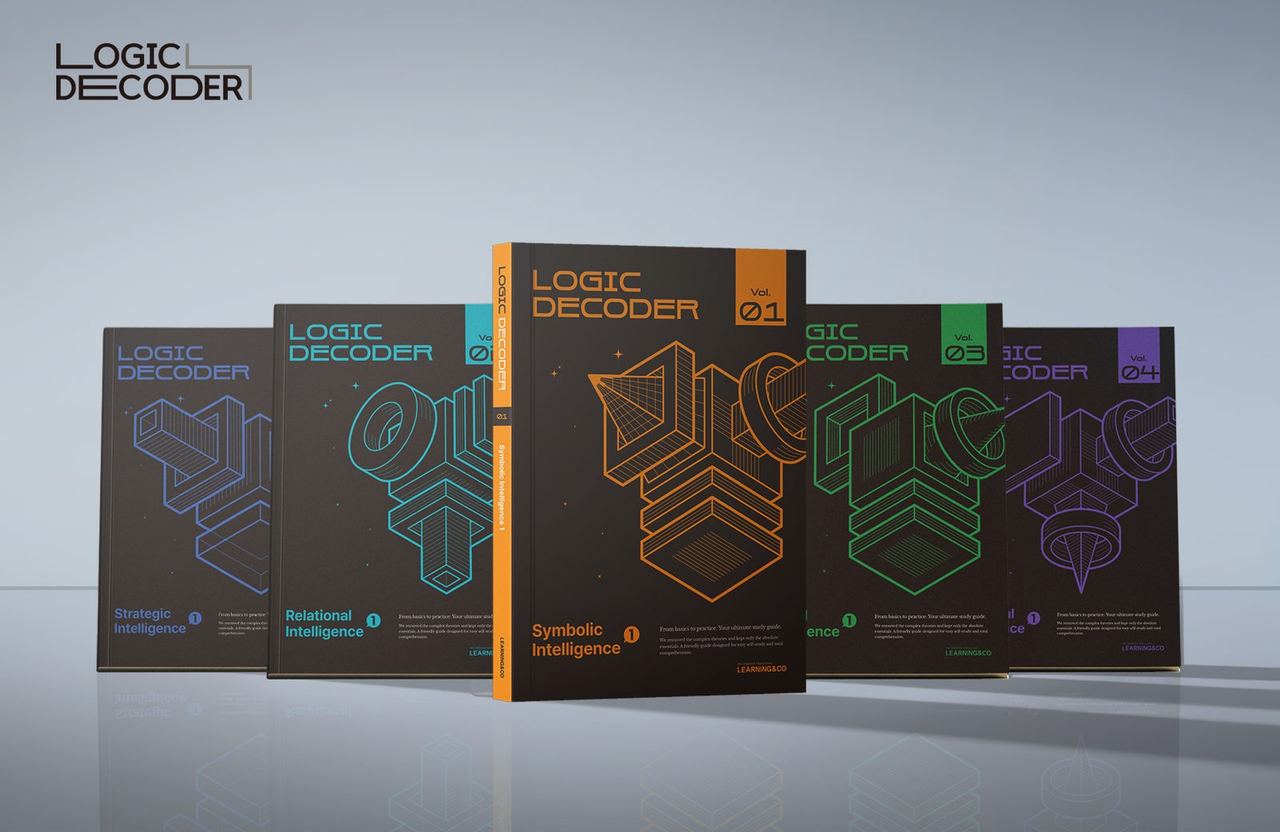
Symbolic · Relational · Causal · Analytical · Strategic. “From basics to practice: your ultimate study guide.”
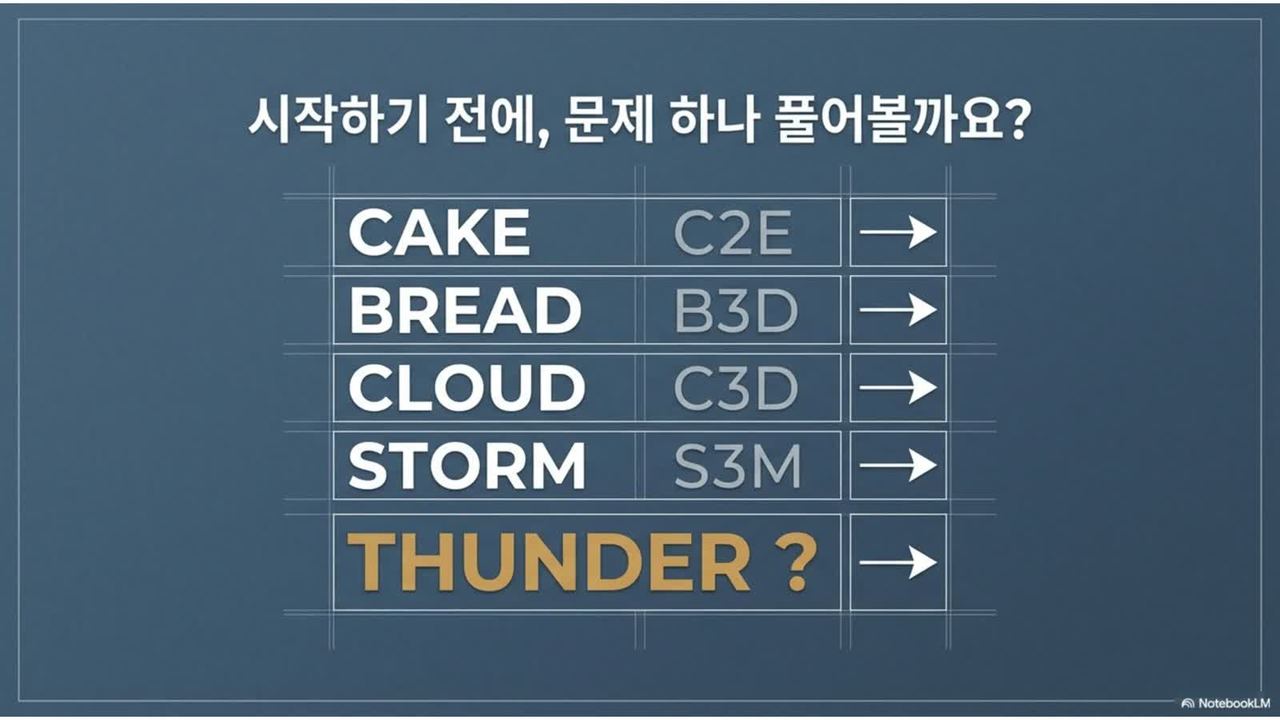
The video plays on the production website; this preview shows a still.
Program introduction
Every learning journey starts with a conversation
Contact us to learn about the curriculum and a campus near you.